
Blog
-

Why More Measurement Probes Don't Mean Better Internet Data

Measuring Internet quality does not necessarily require more measurement points but a greater understanding and reporting of anomalies.
Categories: -
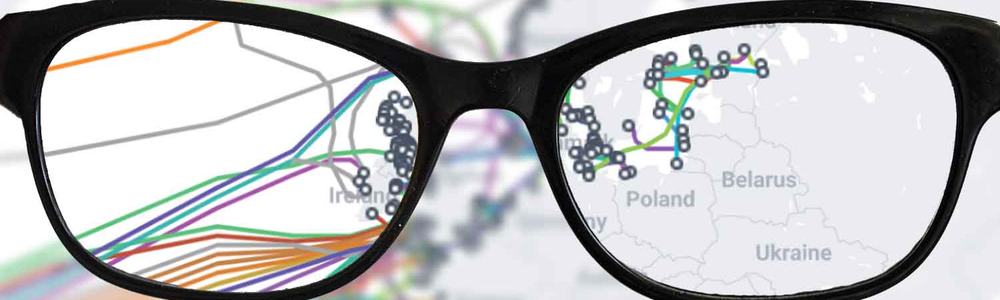
Increasing the Resolution of Submarine Cable Network Performance

Researchers have developed a new methodology using publicly available infrastructure that captures more accurate profiles of subsea cable behavior.
Categories: -

A Case For Using Large Language Models to Automate Internet Measurement Research

A new Internet measurement system, ArachNet, uses Large Language Model (LLM) agents to automate the process, reducing the time to analyse the causes and impact of disruptions.
Categories: -

Demystifying RPKI-Invalid Prefixes: Hidden Causes and Real Risks

Two major causes for RPKI invalidity are opaque IP transit services and IP leasing.
Categories: -
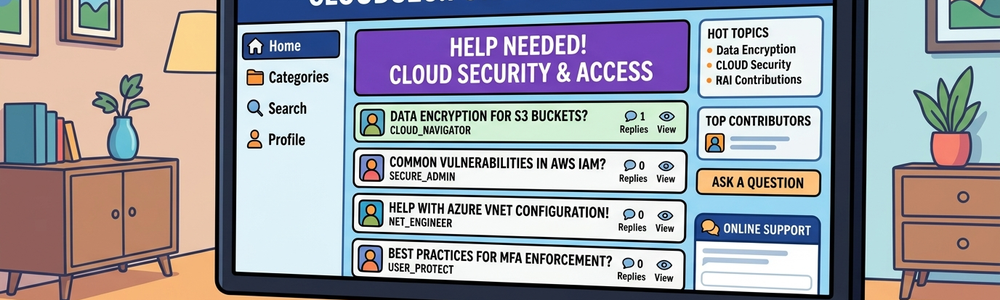
Mapping Community Responses to Cloud Security Misconfigurations

Human error-attributed misconfigurations are the leading cause of security and privacy incidents in cloud services.
Categories: -

Measuring Rural Internet Access Across Starlink

For rural Internet connectivity decisions, Starlink's value depends entirely on what alternative connectivity and locally cached content exist.
Categories: -

Can IXPs Take the Pulse of the Internet?

A recent study of 472 IXPs shows a 49.2% increase in daily aggregate IXP traffic from January 2023 to December 2024.
Categories: -

Secure and Scalable Rerouting in LEO Satellite Networks

The effectiveness of a network’s resilience is directly tied to how much failure information a satellite possesses, ranging from simple local awareness to complex global knowledge.
Categories: -

When “Nearby” Isn’t Nearby: How Remote Peering Undermines Anycast

Remote peering has quietly disrupted the benefits of anycast and IXPs.
-

Exposing the Roots of Phishing DNS Abuse

Malicious domain registrations are concentrated, with attackers favoring specific registrar-TLD combinations based on pricing, bundled services, and operational policies rather than randomly registering domains.
Categories: -

Are LEO Networks the Future of National Emergency Failovers?

Low Earth Orbit (LEO) satellite-based Internet constellations have been immensely helpful during national connectivity disruptions, but evidence of their effectiveness remains largely anecdotal, with no systematic national-scale studies.
Categories: -

Unveiling and Engaging with the Humans of Networking Research

Action research, Participatory Action Research, and Participatory Design approaches should be employed in Internet research studies to integrate community participation directly into the research output.
Categories: