National shutdown
The shutdown cut off citizens’ access to mobile money, which the government uses to pay public workers, including teachers. Some government workers said they can no longer pay for public transportation and basic provisions.
- Total Duration 9 days
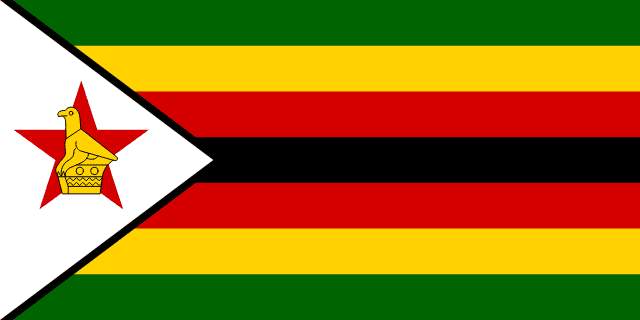 Zimbabwe
- Population
- 16,634,373
- UN Classification
-
- Land Locked Developing Country
Freedom House rates Internet freedom as Partly Free
Local impact
The shutdown cut off citizens’ access to mobile money, which the government uses to pay public workers, including teachers. Some government workers said they can no longer pay for public transportation and basic provisions.
Other supporting information
The government has allegedly imposed a nationwide Internet blackout amidst protests following a doubling of gasoline prices in the country. The country’s largest telecom operator, Econet, has sent costumers text messages pointing to an order from the Office of the President and calling the situation “beyond our reasonable control.” An official from the Ministry of Information, Publicity and Broadcasting previously dismissed the mandated shutdown, claiming the lack of connectivity was caused by congestion, although authorities later admitted to the order, saying it was necessary given the threat on national security. Internet access was partially restored on January 16, but a second shutdown was imposed on January 18. Econet Wireless noted that all networks and providers had suspended services in the country. Zimbabwe had previously blocked Whatsapp and appointed a minister to monitor social media use. Local organizations, notably the Zimbabwe Lawyers for Human Rights and MISA Zimbabwe subsequently lodged a chamber application at the High Court in Harrare over the shutdown. The High Court ruled that the government exceeded its mandate in ordering the blackout, and told mobile operators to immediately resume full services.
Social media
#Zimbabwe is in the midst of a significant Internet shutdown. One third of the country's autonomous systems and address space are currently withdrawn: https://t.co/eMVfjniu9R pic.twitter.com/aaSiVlxU6K — IODA (@IODA_live) January 15, 2019