

What if…? Answering the Challenges of Measuring the Internet

Researchers are driven by the desire for knowledge and understanding. Sometimes, this desire causes us to focus too much on the specifics and methods with which we are comfortable, rather than understanding the potential and the reasons behind our analysis.
At last week’s Pulse Internet Measurement Forum Spain event, we hosted an interactive session with 50+ multidisciplinary experts to develop research proposals addressing some of the Internet measurement community’s most challenging questions.
The six teams were prompted to take a step back from their current areas of focus and consider the most pressing challenges on the Internet, as well as how to assess their impact on ensuring the Internet remains open, globally connected, secure, and trustworthy.
What if we could…
Map the Impact of AI
In a crowd that is predominantly skeptical of all things AI, two groups proposed the need to better understand the impact of its application on traffic evolution and network infrastructure.
The first proposed a need to look at the trends of user preferences towards AI vs human-generated content to understand the impact on search engines and the current business model (advertising) that has sustained the Internet for so long.
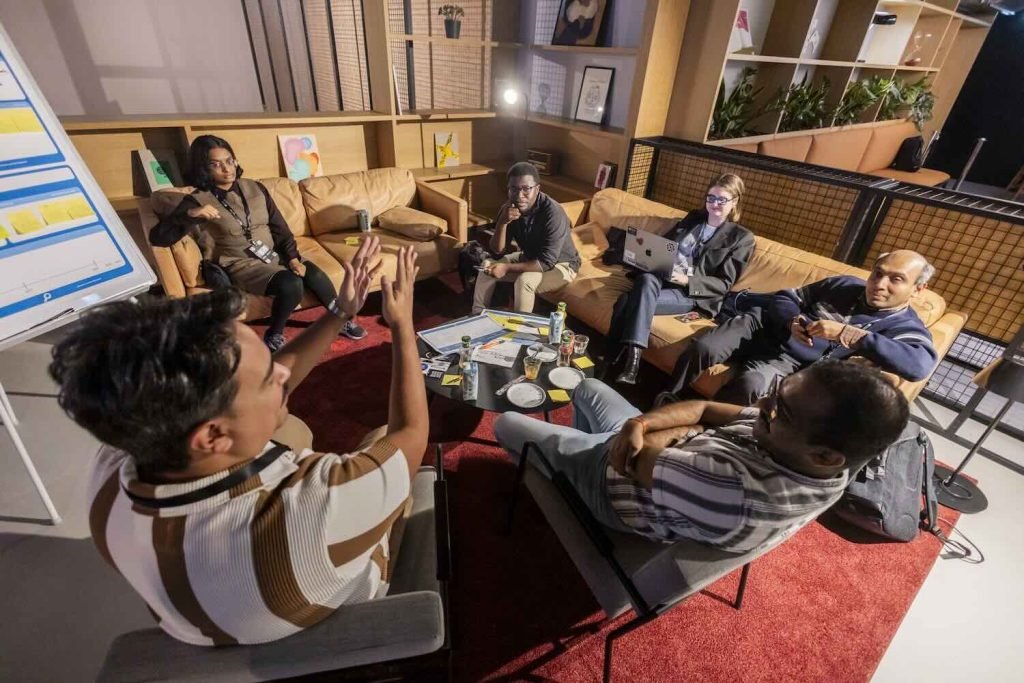
The second group’s proposal recognised the revolutionary impact that the application is having not just on the Internet and the way we use it, but on society in general. As such, they suggest that researchers leave their judgements at the door and prioritise measuring it, so we can better track its impact, both good and bad.
An interesting aside question raised by one of the participants to dwell on is: Do machines need the DNS and network protocols that we have developed and continually refine to assist humans in using the Internet?
Read: Why AI Requires a Resilient Internet
Make the Invisible Visible
As Internet researchers, we like to feel we have a good view of the Internet. However, the reality is that we can see a smaller fraction of the Internet today than we could 20 years ago, despite the years of research in between.
Many researchers point to a lack of usable data due to the:
- Use of Carrier-Grade Network Address Translation (CGNAT), which compromises the Internet way of networking, including geolocation, filtering, peer-to-peer connectivity, performance metrics, and scanning for security vulnerabilities.
- Rise of hypergiant content delivery networks (CDNs), which have become the primary gateways of Internet traffic, but are not easily measurable.
Two groups proposed two complementary ways to help us better understand the situation.
The first suggested the need to take a qualitative approach to verify the problem. This involves identifying the actors that oversee the parts of the Internet that we don’t have public visibility of (namely, CDNs) and identifying mutually agreed ways for them to contribute to measurement methods and data.
The second group approached the problem from the Internet users’ and decision makers’ perspective, in that if we can visualize the limiting impact of concentrated technologies and services, especially when they experience an outage, then we can advocate for greater diversity, resilience, and data availability.
Quantify Meaningful Connectivity
The ITU recently published that 74 percent of the world’s population is connected to the Internet. However, for many of those connected, having access does not necessarily mean continual, resilient access required to take advantage of socially and economically changing services, such as e-commerce and e-health. The concept of meaningful connectivity remains an inherently abstract and multi-dimensional concept, shaped by subjective user experiences, local contexts, and evolving technological paradigms.
This group proposed exploring and defining novel measurement frameworks, methodologies, and empirical approaches for assessing meaningful connectivity across diverse environments.
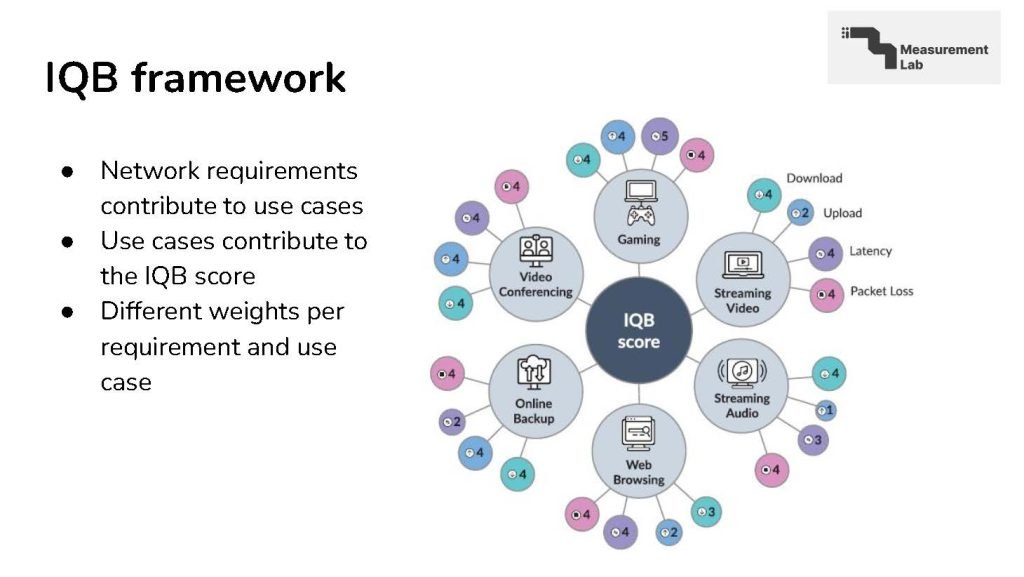
Two days after this exercise, many participants joined the Measuring School Connectivity in Underserved Regions workshop, colocated with the Pulse Research Week, at which we heard about an Internet Society Foundation Research Grant project led by Giga and Measurement Lab to qualify Internet performance using a new framework called the Internet Quality Barometer.
This group’s proposal aims to expand the framework to quantify these quality metrics and others, including the type and cost of data consumption, in order to better reflect the true performance of the Internet, particularly in rural areas.
Make Software and Processes Community-powered, Sustainable, Resilient, and Effective
Finally, one group proposed that we review the sustainability of the field of Internet measurements and data sharing. This requires us to also review the benefits and limitations of what we perceive as open-source models versus community-oriented models, a discussion that also touches on the centralization of not just the Internet but also the way we research it.
Read: Insights From the UN Open Source Conference: Reclaiming the Foundations of the Internet
Answering these Challenges Will Require Collaboration
As teams presented their proposals, it provoked further discussion from the audience, but perhaps more importantly, excitement about the potential impact of these projects.
We also began to see that many people from different fields share the same objectives: to improve the resolution of the Internet ecosystem and how new technologies and applications, and will continue to, impact it not just from a technological standpoint but also a social and economic one.
The final panel session with the 2025 Pulse Research Mentors concluded that we have much to learn from others and the context and expertise they can bring to addressing these broad challenges.
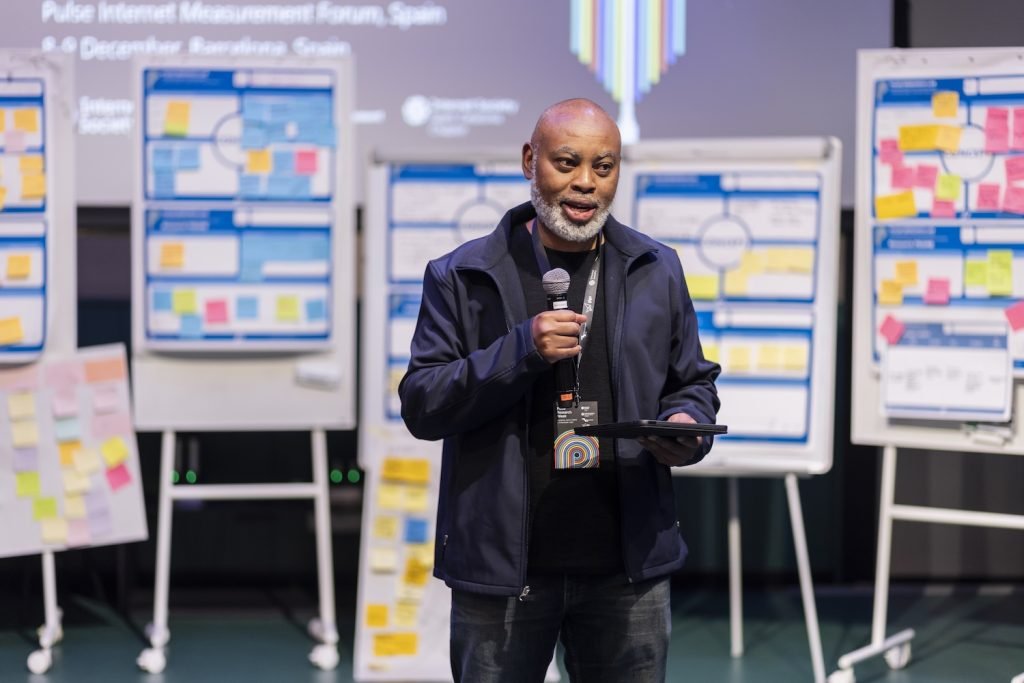
The Internet Society’s Distinguished Technologist, Michuki Mwangi, summarized that “if we want an Internet that serves everyone, we can’t just measure the network. We have to strengthen the people who measure it, share the data that powers it, and fund the questions that truly matter.”
While addressing these challenges will require years of work and, in some cases, may not be fully achievable, the Internet Society, through Pulse and its other programs, will advocate for making these collaborative opportunities available.
Thanks to everyone who participated in last week’s event and all our outreach events in 2025. Stay tuned to the Pulse events page, newsletter, and Blog for more events, research results, and collaborative opportunities in 2026.
Email us at [email protected] if you’re interested in hosting, partnering, sponsorship, and presenting opportunities.
Photos by Yurian Quintanas Nobel