National shutdown
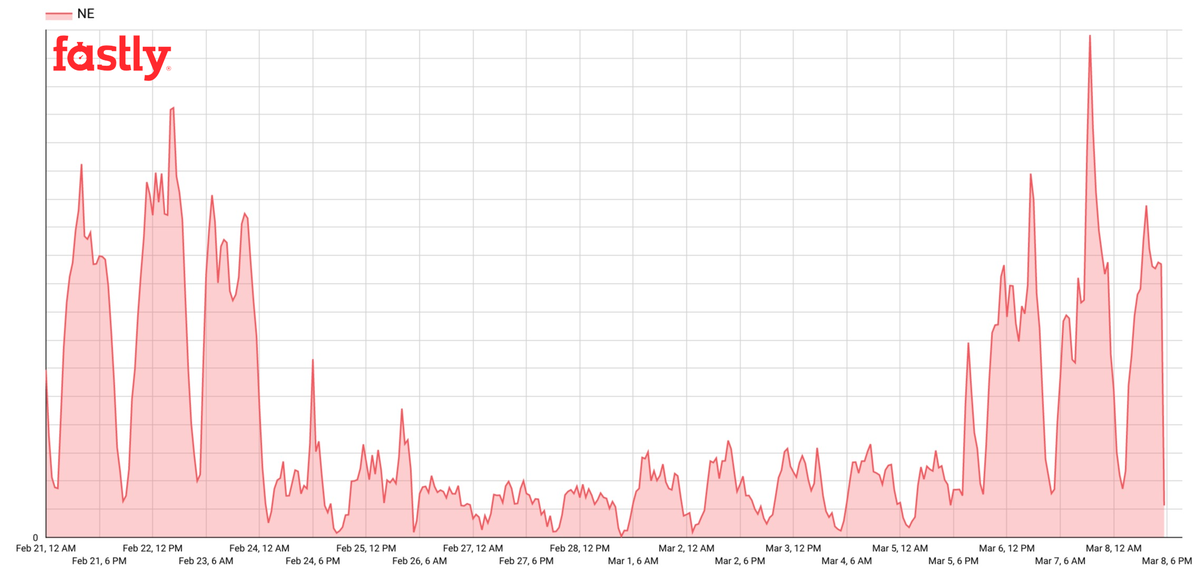
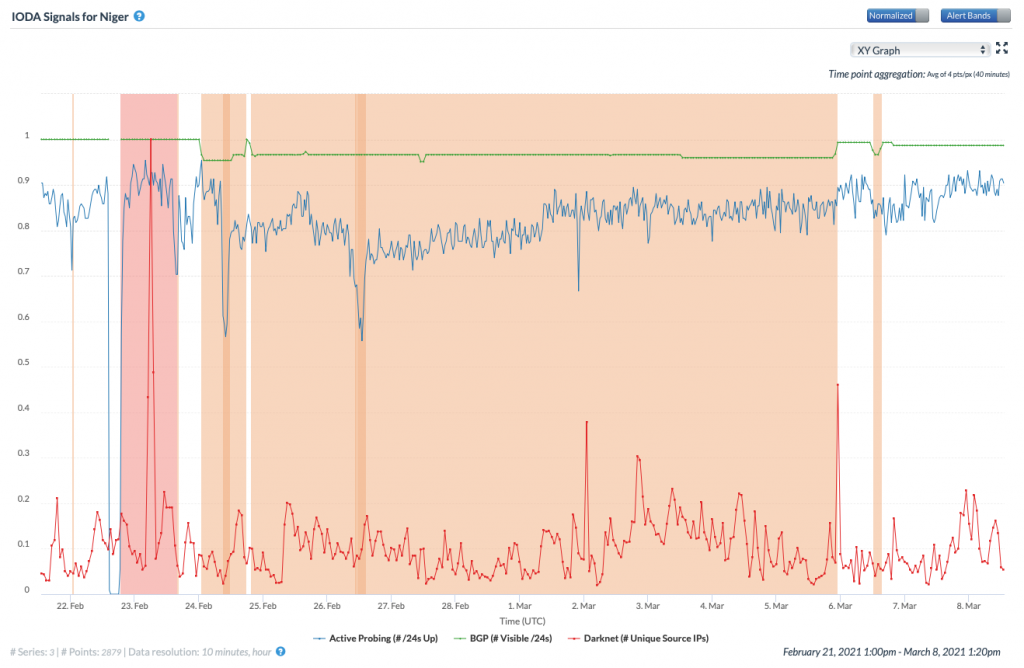
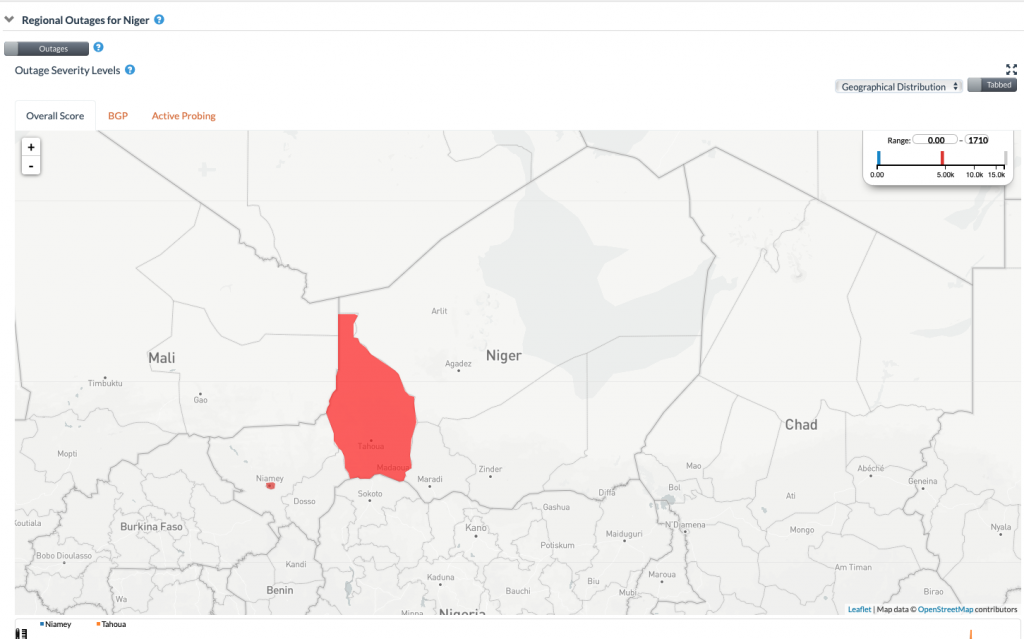
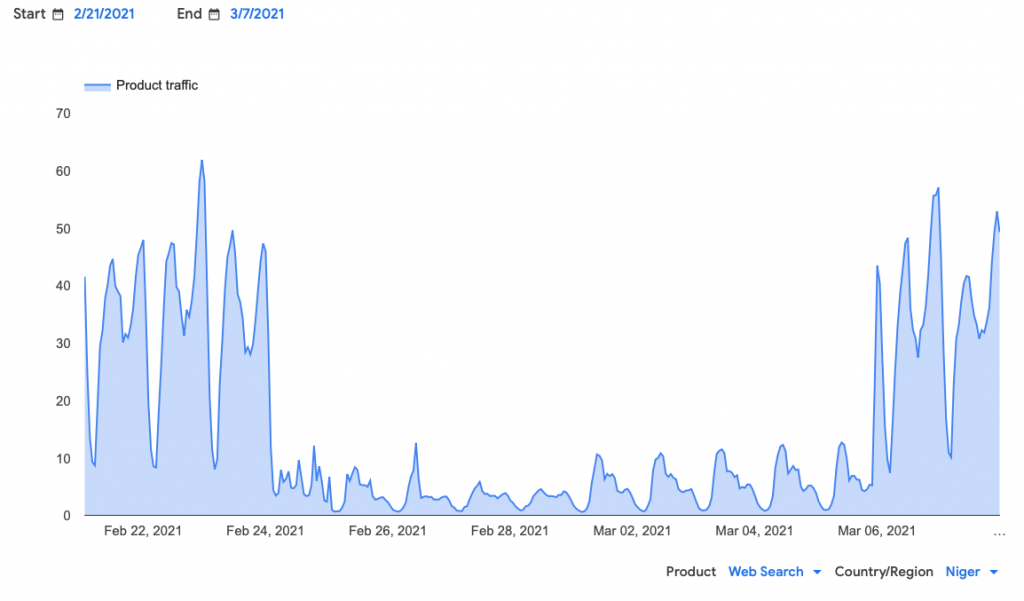
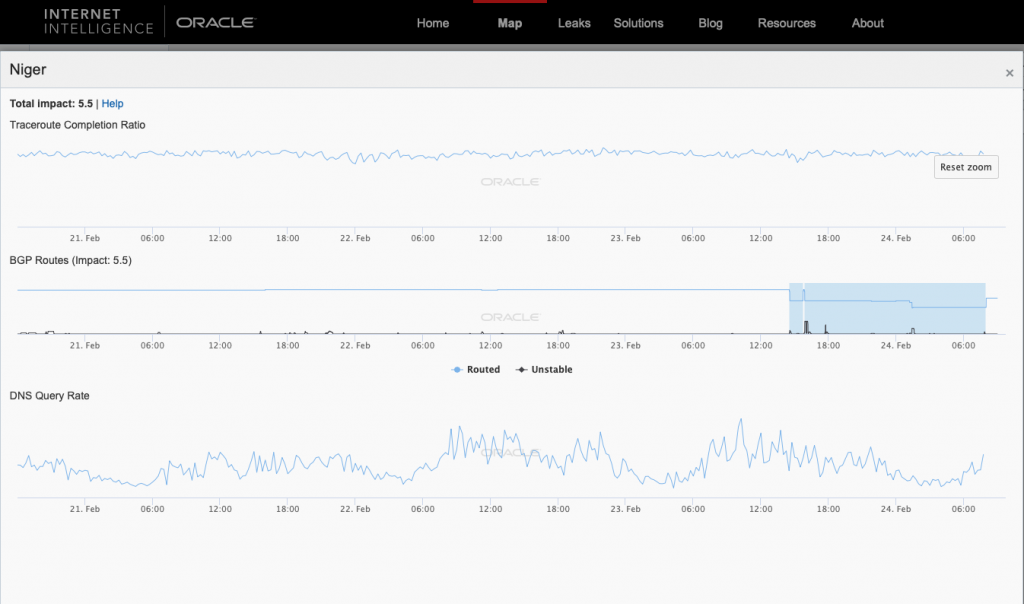
From February 24 to March 5, 2021, mobile internet was disrupted in Niger after the presidential election was followed by massive protests. As part of the government's attempts to clamp down on protests, Internet access was suspended for 10 days.
Internet shutdowns during protests, elections, exams or civil unrest impact the ability of citizens to get accurate information from government sources when they need it most. It also becomes harder for citizens to contact family members and friends in other parts of the country, or in other countries.
- Total Duration 9 days, 22 hours
 Niger
Niger
- Population
- 27,917,831
- UN Classification
-
- Least Developed Country
- Land Locked Developing Country
Local impact
From February 24 to March 5, 2021, mobile internet was disrupted in Niger after the presidential election was followed by massive protests. As part of the government's attempts to clamp down on protests, Internet access was suspended for 10 days.
Internet shutdowns during protests, elections, exams or civil unrest impact the ability of citizens to get accurate information from government sources when they need it most. It also becomes harder for citizens to contact family members and friends in other parts of the country, or in other countries.
Social media
Update on Niger:
— Doug Madory (also on Bluesky) (@DougMadory) March 9, 2021
Mobile Internet service was restored after almost 10 days without service. #KeepitOn
According to @kentikinc data, the mobile internet shutdown ended around 21:00 UTC on 5-March.https://t.co/Mrnkss17tu pic.twitter.com/UPBuchLIRM
All reports indicate mobile internet is still being blocked in Niger. There have been no explanations from authorities.
— Access Now (@accessnow) March 3, 2021
8 days in the dark ... and counting. #KeepItOnhttps://t.co/U8XbM9xR0x
#Niger is disrupting internet access after election results were released.
— CIPESA (@cipesaug) February 24, 2021
To ensure #AccessToInformation especially in time of elections, internet access is fundamental to citizens!#KeepItOn#InternetFreedomAfrica https://t.co/HpoLHQ8doN